
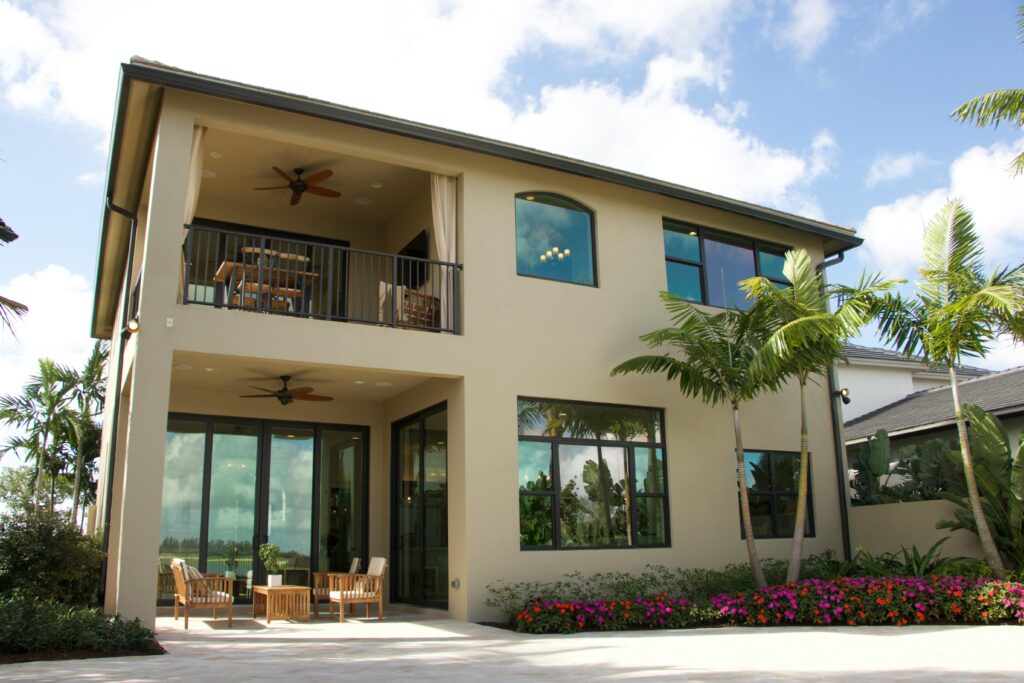
Florida has some of the highest insurance premiums in the country. If you live here, you’ve likely felt the sting of your latest renewal notice. However, here is the secret the industry doesn’t always shout from the rooftops: not all high premiums are unavoidable. In this article we explain how Florida homeowners overpay thousands in Wind & Flood insurance.
In many cases, homeowners are paying a “paperwork penalty.” Thousands of dollars are wasted every year simply because of documentation gaps, expired inspections, and missed credits. If your home is fortified but your insurance company doesn’t have the proof, you are effectively donating money to them.
The 4 Pricing Drivers: What Actually Moves the Needle
To lower your bill, you have to understand the four technical factors that determine your “risk score.”
1. Roof-to-Wall Attachment
This is all about how your roof is fastened to the walls of your home. Are you using toe nails, clips, or single/double wraps? If your home was built or retrofitted with double wraps, you could see a massive reduction in the wind portion of your premium. Read more about it on this website.
2. Secondary Water Resistance (SWR)
SWR is a layer of protection (often a “peel-and-stick” membrane) applied directly to the roof decking. It acts as a final fail-safe; if your shingles or tiles blow off, the SWR keeps the water out. If you’ve had a new roof installed recently, you likely have this—but if your wind mitigation report doesn’t reflect it, you aren’t getting the credit.
3. Opening Protection
Do you have impact-rated windows, hurricane shutters, or a reinforced garage door? To get the “A1” credit (the highest possible), every single opening must be protected. Even one unprotected skylight or a side utility door can disqualify you from the biggest discounts.
4. Elevation Relative to Base Flood Elevation (BFE)
For flood insurance, height is everything. The BFE is the anticipated level floodwaters might reach. If your lowest living floor is even one foot above the BFE, your rates drop significantly. However, without a current Elevation Certificate (EC), the insurer may default to the worst-case scenario pricing.
The Most Common (And Costly) Mistakes
Are you leaving money on the table? Most Florida homeowners are guilty of at least one of these:
- No Wind Mitigation Inspection: This is the #1 way to save. If your inspection is more than 5 years old, or you’ve never had one, you are likely paying “full freight” for wind coverage.
- Outdated Elevation Certificate: Flood maps change. If you are using an old EC (or don’t have one at all), you might be rated in a high-risk zone that you’ve actually “risen” out of.
- Low Deductible Percentage: Many Floridians stick with a 2% hurricane deductible by default. While a higher deductible increases your out-of-pocket risk during a storm, moving to a 5% or 10% deductible can slash your annual premium if you have the savings to cover the gap.
- Never Asking About Credits: Insurance agents are busy. If you don’t proactively ask, “What credits am I missing?” or “What upgrades would lower this bill?”, they might not go looking for you.
Stop Overpaying Today
You shouldn’t have to choose between protecting your home and emptying your savings. A few simple documents could be the difference between a $6,000 premium and a $3,500 one.
Ready to see where you’re leaking cash?